

Learning to code in 2026 is no longer simply about choosing a popular language . It’s about understanding a complete technological ecosystem, in which artificial intelligence, cloud computing, data, and modern digital experiences intertwine.
Today, a language is no longer just a tool: it is a career lever, a project accelerator and sometimes even a specialization in its own right.
In this guide, you will discover which languages to prioritize, why they really matter, and above all, how to intelligently integrate them into your career path.
Understanding the new context: coding in the age of AI
Software development is undergoing a major transformation. The rise of generative AI tools now makes it possible to produce code faster, correct errors in real time, and even generate complete applications from simple instructions.
But, contrary to what one might think, this does not simplify the choice of language — on the contrary.
A developer’s value no longer rests solely on their ability to write code, but on their understanding of complex systems, their problem-solving skills, and their ability to connect multiple technologies.
In this context, some languages become universal bases, while others establish themselves as specialized tools with high added value.
Python: the pivotal language for AI and data
Python still stands out as the ideal entry point … but also as a sustainable language for future development .
Its main strength lies in its simplicity: its syntax is close to natural language, which facilitates rapid learning while allowing one to go very far technically.
But what truly makes it powerful is its ecosystem.
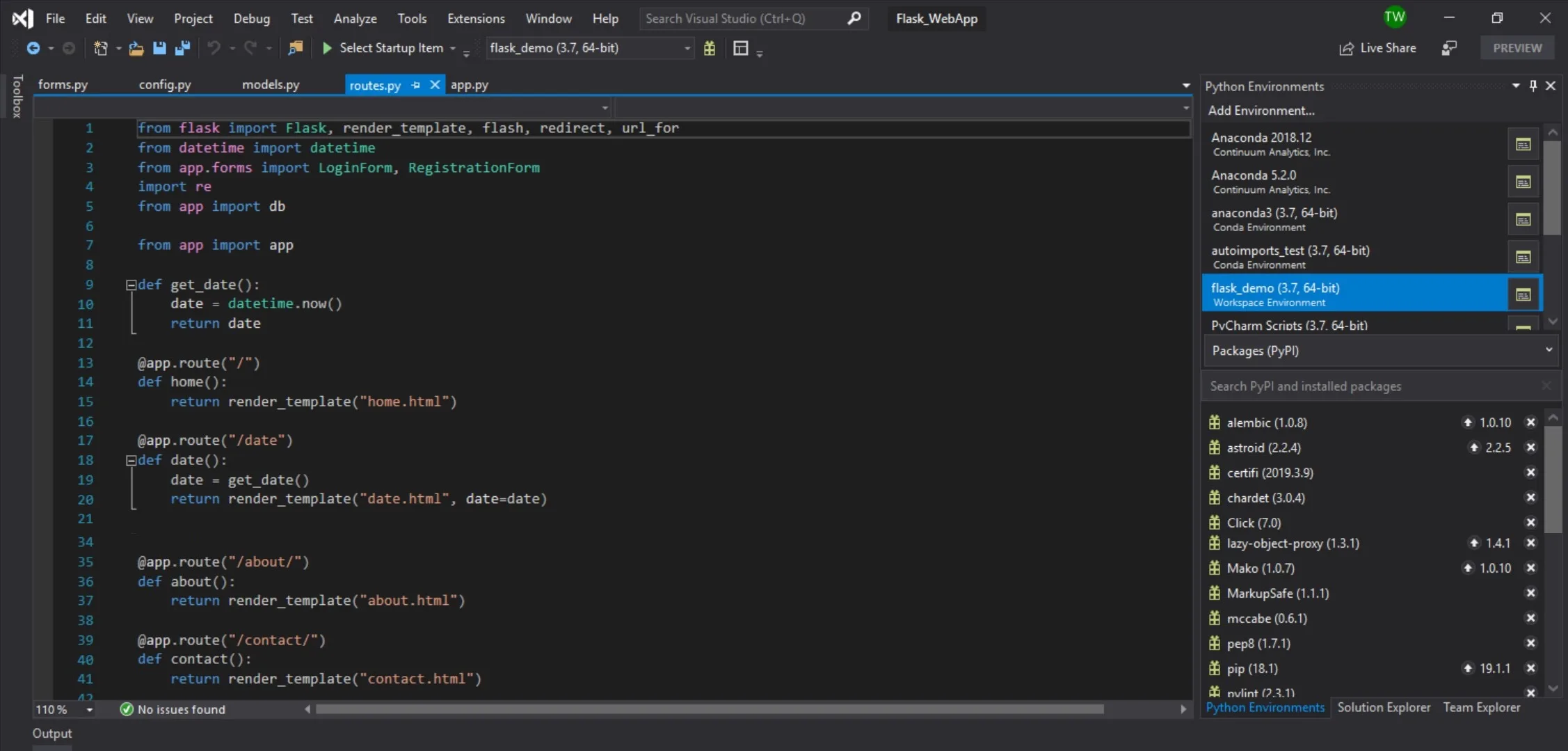
Python is ubiquitous in data analysis (pandas, NumPy), machine learning (TensorFlow, PyTorch), task automation, and backend development (Django, Flask).
By 2026, Python is no longer just a language: it is a universal platform for prototyping and innovation, especially in all AI-related projects.
JavaScript: the essential language of the modern web
While Python is often considered the brains of systems, JavaScript is the visible face. It’s the language that powers the web. It’s present in almost every modern website and application, making it an essential skill.
Its greatest strength is its versatility: it works equally well on the browser side and on the server side thanks to Node.js.
It allows, in particular, the creation of interactive interfaces (React, Vue), the development of complete applications (Next.js, fullstack JS) or the rapid construction of visible and testable products.
In practice, JavaScript is the ideal language for transforming an idea into a concrete product, quickly and efficiently .
HTML & CSS: the essential foundations
Often underestimated, HTML and CSS are nevertheless at the heart of the web . HTML structures the content, while CSS defines its appearance and user experience. Without them, no interface truly exists.
Mastering them allows you to understand in depth how the web works, to obtain immediate visual results (very motivating for beginners) and to improve the quality of interfaces, even on advanced projects.
These are the visual foundations of digital technology, essential for any developer, regardless of their level.
SQL: the strategic skill surrounding data
In a data-driven world, SQL is a skill that is often overlooked… but crucial. It allows you to query databases, extract key information, and structure backend systems.
SQL is used everywhere:
- data science
- business intelligence
- web and mobile applications
In many cases, mastering SQL is what allows someone to move from a beginner profile to a truly operational one.
Go (Golang): the language of the cloud and modern architectures
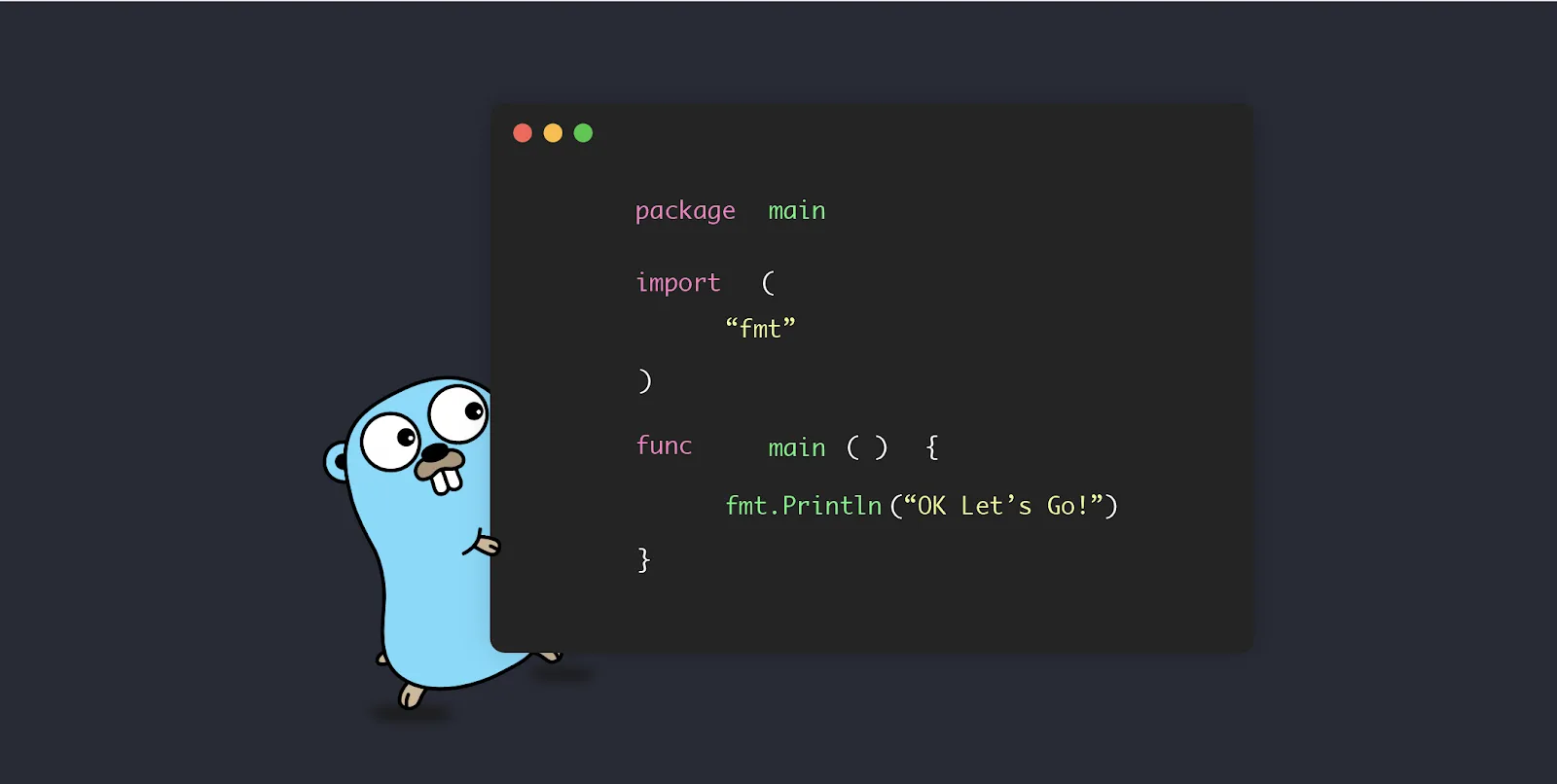
Go is gradually becoming a standard in modern infrastructures. Designed to be simple, fast, and efficient, it is particularly well-suited to distributed systems and cloud environments.
It is widely used for microservices, DevOps tools, and cloud platforms. Its main advantage is its ability to manage performance while remaining affordable.
Go is today the language of scalable and robust architectures .
Kotlin: the natural choice for Android
Kotlin has become the official language for Android development. More modern and concise than Java, it allows for the production of more reliable code with fewer errors.
It is particularly well-suited for creating Android mobile applications, developing fluid and modern interfaces, and accelerating mobile development.
For anyone wishing to specialize in mobile, Kotlin represents a direct and strategic entry point.
Rust: Performance, security, and the future of systems
Rust is often perceived as more complex to learn, but it offers unique advantages. It guarantees extremely secure memory management without sacrificing performance.
This is why it is adopted in mission-critical systems, high-performance backends , and WebAssembly.
Rust represents a strong trend: that of languages that prioritize reliability and security from the design stage.
The impact of AI tools on learning
Tools like GitHub Copilot or ChatGPT are profoundly transforming the way we learn to code. They allow us to generate code quickly, correct errors in real time, and get instant explanations.
However, they do not replace:
- algorithmic logic
- understanding architectures
- the ability to debug
In 2026, learning to code means learning with AI, but without depending on it .
Building an effective learning path
To progress quickly, it is essential to adopt a structured approach. Start with an accessible language like Python or JavaScript to understand the basics: variables, loops, functions.
Next, quickly move on to practical application by creating concrete projects: a website, an automated script, or a small application.
Once you have mastered the fundamentals, specialize according to your objectives:
- web → JavaScript and its frameworks
- data → Python and SQL
- mobile → Kotlin
- cloud/backend → Go
Finally, build a solid portfolio with visible and documented projects.
What really makes the difference is not the language you master, but what you are able to build with it.
Job market: what companies are looking for
By 2026, recruiters are no longer solely looking for language specialists. They are prioritizing versatile profiles, the ability to use AI tools, and demonstrable concrete projects.
The most requested languages remain:
- Python (AI and data)
- JavaScript (web)
- SQL (data)
- Go and Rust (infrastructure)
The trend is clear: versatility is becoming a major asset in the face of extreme specialization.
Trends to watch
Several key developments need to be monitored:
- the integration of AI into all development tools
- the widespread adoption of cloud computing and microservices
- the rise of secure languages like Rust
- the rise of no-code and low-code
The future of development is hybrid: it combines human skills and machine assistance.
Verdict: which language should we choose today?
The right choice depends primarily on your objective. If you are a beginner, opt for Python or JavaScript for their accessibility and versatility.
If you have a specific goal:
- web → JavaScript
- data → Python + SQL
- mobile → Kotlin
- systems → Go or Rust
In any case, the best language remains the one that allows you to progress quickly, create concrete projects, and remain adaptable in a constantly evolving environment.